

The Hidden Skill Gap in Clinical Trials: Why Documentation Thinking Matters More Than Degrees
Nobody Talks About This Problem Enough
A student finishes a life science degree. Another completes a pharmacy course. Someone else earns a biotechnology certification. All of them apply for clinical research jobs with confidence. On paper, they look qualified. But when they enter the real work environment, many struggle with one thing. Clinical trial documentation.
This is where the hidden skill gap begins. Not in theory. Not in textbooks. In actual documentation work. Because the clinical research industry does not run only on scientific knowledge. It runs on records, timelines, accuracy, and proof. Every step in a trial must be documented correctly. Every action must be traceable. Tiny mistakes can create huge problems later.
A lot of fresh graduates don't realise this early enough. They think degrees alone are enough to survive in the industry. But clinical trials are detail-heavy. Documentation-heavy too. Companies are not just looking for people who know things. They need people who can organize information properly and think carefully while recording it.
That is why employers today are focusing more on practical thinking skills. Especially documentation thinking. It sounds simple. But it changes everything.
What Documentation Thinking Actually Means
Many people hear the word documentation and immediately think about typing or filing papers. That is only a small part of it. Documentation thinking is bigger than that. It means understanding why information matters, how records connect, and what can happen if details are missed.
In documentation in clinical research, every form tells a story. Every signature matters. Every date matters too. If a patient visits a site late, it must be recorded correctly. If a medicine dose changes, it must be updated immediately. Nothing can be assumed. Nothing should stay unclear.
A clinical trial is like a chain. Documentation holds the chain together. Weak records create weak research. Simple.
"Good documentation skills can save a study. Sometimes even more than technical knowledge."
This is why experienced professionals often say that good documentation skills can save a study. Sometimes even more than technical knowledge. A person may know pharmacology very well. But if they cannot maintain proper records, the trial becomes risky.
That sounds harsh. But it is true.

Image: clinical-trial-documentation-process.jpg — A clinical research coordinator reviewing patient records at a trial site.
The Day Everything Went Wrong
A clinical research coordinator once forgot to update a patient visit date in a trial file. It looked like a small issue. Just one missing correction. But during an audit, the mismatch created confusion. Auditors questioned multiple records after that. The team had to spend days finding supporting evidence.
The coordinator was smart. Very smart actually. Had strong academic scores too. But nobody had trained her properly in clinical trial record keeping. She knew theory. She did not know process thinking.
This happens more often than people think.
Clinical trials are monitored closely because patient safety is involved. Regulatory authorities check records carefully. Sponsors check them too. If documentation is weak, trust becomes weak. And trust is everything in research.
That is why companies now value people who can think methodically. People who notice details quickly. People who can connect timelines and records without confusion.
Degrees help. But documentation discipline keeps the trial running.
The Real Backbone of Clinical Trials
Why Source Documents Matter So Much
One of the most important concepts in research is source documents in clinical research. Many freshers hear this term during interviews. Some nod confidently without fully understanding it.
Source documents are the original records where trial information is first captured. These can include patient files, lab reports, ECG reports, prescriptions, or medical notes. They are considered the first proof of what happened during a study.
💡 Think of source documents like the original evidence of a clinical trial. If they are incomplete, everything else becomes questionable.
If source documents are incomplete, everything else becomes questionable. Even electronic records depend on these original entries. That is why professionals handling trials must learn how to review, maintain, and cross-check them properly.
This is where documentation thinking becomes visible. A good professional asks questions while reviewing records. Are dates matching. Are signatures present. Are corrections done properly. Is information readable. Small observations matter a lot.
And honestly, this skill is not taught deeply in most colleges.
Degrees Open Doors. Skills Keep You Inside
There is nothing wrong with degrees. They are important. They create foundations. But employers today are searching for practical capability. Especially in healthcare and research industries where mistakes are expensive.
Many hiring managers quietly say the same thing. Freshers often lack practical clinical research job skills. They understand concepts but panic when handling real trial files. Some don't know how to review case report forms. Others struggle with audit preparation. A few even misunderstand documentation timelines.
That creates training pressure for companies.
This is exactly why institutes focusing on practical learning are getting more attention now. Programs that simulate real trial work are helping students become more job-ready.
At places like Cliniwave Institute, students are exposed to actual documentation practices instead of only classroom theory. They learn how records move during a trial. They understand why corrections must follow specific formats. They practice reviewing files carefully. Slowly, confidence improves.
Because confidence in clinical research does not come from memorizing definitions. It comes from doing the work repeatedly.
The Skills Employers Quietly Notice
Not every important skill appears in job descriptions. Some are observed silently during training or interviews. Documentation thinking is one of them.
Here are a few skills companies often value in research professionals:
- Attention to detail during file review
- Understanding timelines in patient visits
- Ability to maintain accurate records
- Communication with trial teams clearly
- Reviewing inconsistencies without panic
- Managing confidential information carefully
- Understanding audit expectations
- Organizing trial documents properly
These are practical abilities. Not theoretical ones.
And honestly, many candidates underestimate them. They focus heavily on technical jargon while ignoring daily workflow responsibilities. But in real studies, organized professionals are remembered quickly.
A messy worker creates stress for everyone.

Image: source-documents-clinical-research.jpg — Original patient records and lab reports serving as source documents in a clinical trial.
Clinical Research Is Becoming More Audit-Focused
The industry is changing fast. Trials are becoming more digital. Remote monitoring is increasing too. Regulatory expectations are becoming stricter in many countries. Because of this, clinical trial documentation has become even more important than before.
Earlier, some documentation gaps were overlooked if explanations were available. Today, everything is tracked carefully. Electronic systems record timestamps. Corrections become visible instantly. Missing information raises immediate questions.
This means professionals need sharper documentation habits now.
Even entry-level employees are expected to understand compliance basics. Compliance simply means following required rules and standards properly. If documentation does not follow compliance rules, companies can face warnings or delays.
That sounds stressful. Maybe it is a little. But proper training changes things.
Students who undergo practical exposure usually adapt faster to these systems. They understand workflows better. They know what auditors may ask. They become less nervous during inspections.
That practical confidence matters a lot during hiring.
Why Practical Training Changes Everything
Learning By Doing
A student can read about documentation for months. But actual understanding often comes only after handling records physically or digitally. That is why practical exposure matters so much in this field.
Programs like Cliniwave practical training focus on real workflow learning. Students work on mock documentation exercises. They learn how patient records are reviewed. They practice identifying mistakes in forms. Sometimes they even simulate monitoring activities.
This type of training creates a different mindset.
Suddenly, documentation stops feeling boring. It starts feeling important. Students begin noticing patterns. They understand how one incorrect entry can affect multiple records later.
That awareness creates stronger professionals.
Building Job-Ready Thinking
Another important thing is industry readiness. Many students fear interviews because they lack hands-on confidence. They know terms. But they cannot explain practical situations properly.
That is where programs like the Clinical Research Course become useful. The focus is not only on teaching concepts. It is also on helping students think like professionals already working in the field.
And employers notice that difference very quickly.
The Industry Does Not Need Perfect People
This is important to understand. Clinical research companies are not expecting freshers to know everything perfectly. They know learning takes time. But they do expect seriousness, observation skills, and willingness to follow documentation standards carefully.
That mindset matters more than people realise.
Someone with average academic marks but strong documentation habits may perform better than someone with high scores and careless work patterns. Because clinical trials depend on consistency. Not flashy performance.
Small habits matter here. Double-checking records. Reading instructions properly. Asking questions when confused. Maintaining timelines carefully. These things build trust slowly.
And trust builds careers.
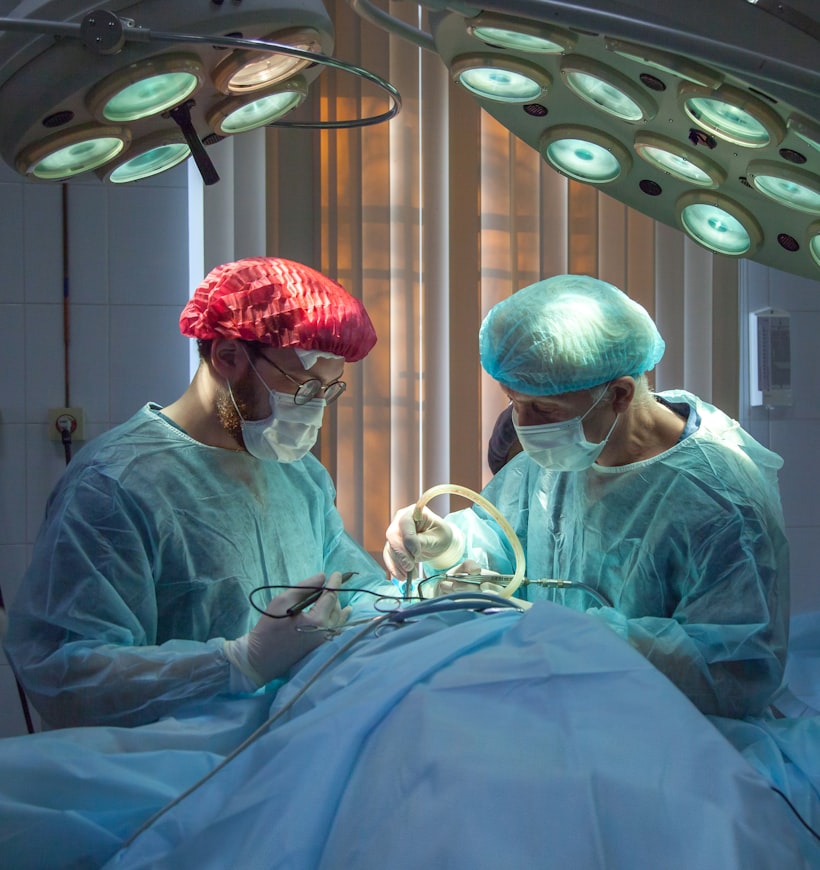
Image: clinical-research-career-skills.jpg — A research professional reviewing compliance documents and audit-ready trial files.
Where Real Career Growth Begins
The clinical research industry is growing quickly. New studies are happening across different therapeutic areas. Technology is changing workflows too. But one thing still remains constant. Good documentation keeps research trustworthy.
That is why documentation thinking is becoming one of the most valuable hidden skills in the industry today.
Degrees still matter. Of course they do. But they are only the starting point. Real growth happens when professionals learn how to handle records responsibly, think critically, and maintain accuracy under pressure.
This is exactly why practical exposure matters more now than ever before. Institutes like Cliniwave clinical research institute are trying to bridge this gap by focusing on applied learning instead of only theoretical teaching.
Because at the end of the day, clinical trials are not only about science. They are also about proof. Records. Responsibility. Careful thinking.
And the people who understand that early usually grow faster in this industry.
Clinical SAS Course | Bioinformatics Course
📖 You May Also Like


