

Beyond Degrees: What Makes a Healthcare Candidate Job-Ready in 2026
The Resume That Looked Perfect Still Didn't Get the Job

Healthcare graduates need more than a degree to stand out in 2026.
Good marks in studies, a few certificates and the young graduate bravely applies for healthcare jobs. The resume is perfect on paper. But during the interview the tone turns. Interview questions revolve around real-life projects, working as a team, documenting and workplace scenarios. The problem is that the theory is not enough on its own. In 2026, therefore, job-ready healthcare skills are one of the main reasons for taking new staff on board.
Healthcare employers are still willing to accept a degree since it ensures a student has the basic sciences and professional training. But they want to know whether students will be able to use knowledge they obtained in a practical situation. Can the student analyse data? Can they communicate clearly with colleagues? Can they solve problems under pressure? These types of questions are influencing the healthcare career readiness for an opportunity more than some students ever anticipate.
Consider a fresh graduate applying for a Clinical Research Course position. The candidate understands clinical trial phases but has never worked with a case report form or trial documentation. A case report form is a document used to collect information about participants during a clinical study. One applicant was involved in completing similar practical tasks with the use of those same documents as part of the practical exercises conducted as part of training. The second applicant has a comparable level of knowledge, but knows, as yet, how theory works out in practice.
Healthcare is changing as well. Today many of your tasks involve using digital tools, clinical databases, research software or specialized technology, so we adapt our curriculum to include the technologies. As working environments evolve we often see employers expecting students to have the practical healthcare industry skills that relate to their area of interest before they enter the workplace. But they don't expect you to know everything. It does mean they should arrive prepared to contribute and continue learning.
On the positive side, much of this can be developed during the course of a degree. Such experiences, like projects, applied assignments, placements, communication practice and learning within a specific industry will allow students to develop their self-confidence and skills and increase their career chances. Know what your employers are really looking for.
The Skills Employers Notice Before Experience
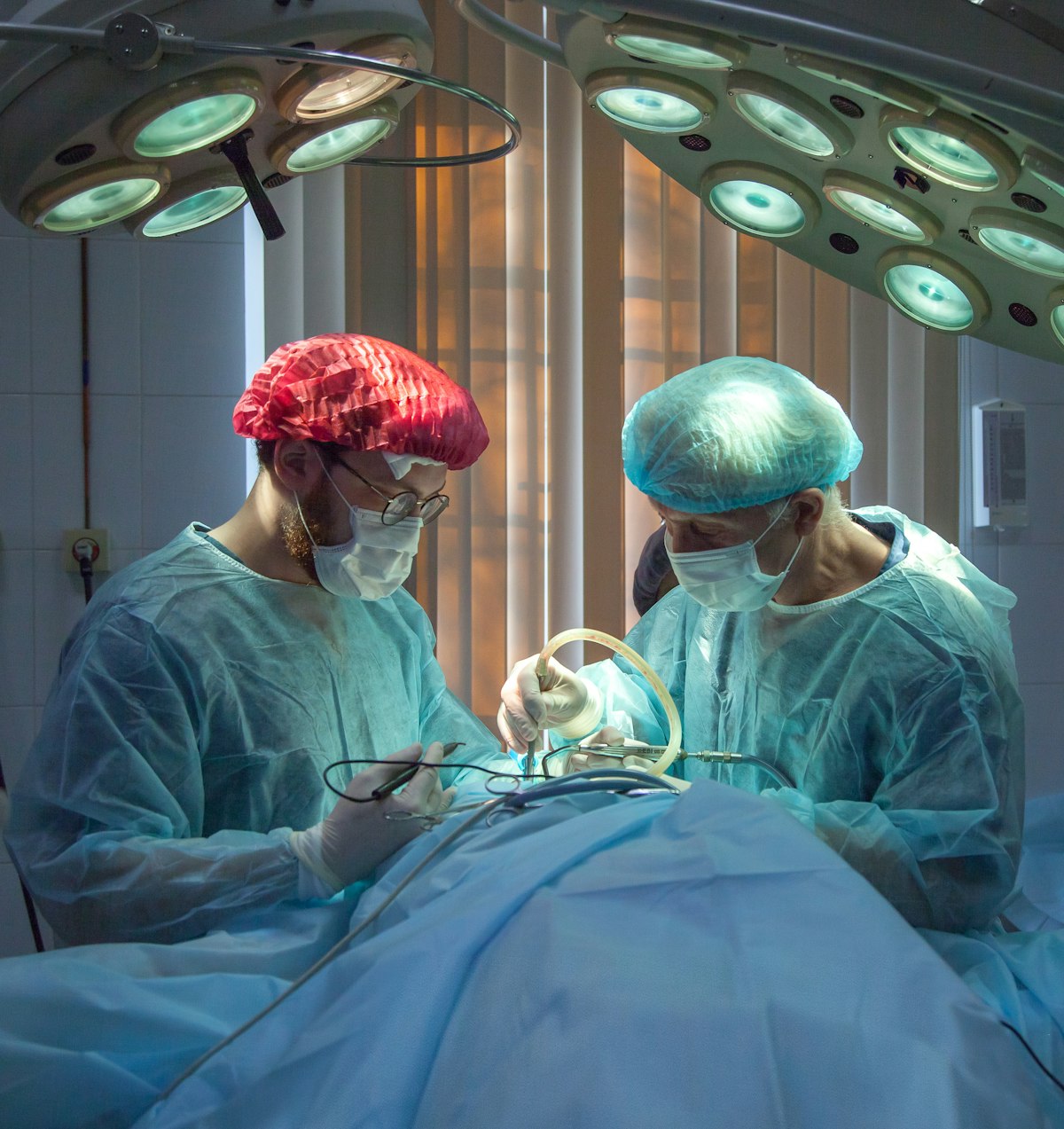
Employers value practical application, communication, and problem-solving above all.
Technical Knowledge Needs Practical Application
The academic aspect of this type of training involves understanding many healthcare concepts, policies and even scientific background behind a lot of the principles taught. Practicals involve students understanding how those principles are used in the actual world. For instance a student taking Clinical SAS Course will learn about theory of programming in classes. Writing code using sample clinical datasets creates a very different learning experience. A dataset is a structured collection of information organised for analysis.
That is why practical healthcare training has become so important. Students that engage in projects can often walk away from these projects more confident because they already tackled real world issues. When you start a job new graduates are expected to be learning; employers really are looking for a can do, can apply kind of graduate rather than a recall of theory.
Communication Is More Than Speaking Well
Some people believe communication simply relates to expressing confidence throughout interviews. Within healthcare settings, effective communication is more encompassing; it's about writing and documenting your research, explaining results concisely, and efficiently collaborating within multidisciplinary teams. Multidisciplinary simply denotes a number of individuals from diverse professions contributing towards a common aim.
Problem-Solving Creates Better Professionals
Workplaces are usually not ideal text books. Sometimes there can be inconsistencies in the data and the lab may have had other test results. Sometimes there are unforeseen obstacles and challenges in a project. Those who have had to work through such scenarios in assignments and have come up against them usually find the problem-solving exercise more straightforward and less daunting.
A key aspect to being an effective health care provider is being capable to reflect, inquire and learn from previous choices. Not only does it inject new and inventive ideas into your decision making, it can offer the practical and level head often expected of the role. Most of these healthcare employability skills are likely to be hired for a career in healthcare.
These qualities help students become more prepared for healthcare careers:
Job-ready healthcare skills involve more than just theoretical knowledge — they include real life application skills. The process of actually completing case study projects, mock briefs or even virtual work simulations can give students greater insight into workplace practices. Practical knowledge enables a smoother transition from academic learning to gaining meaningful employment. As a result of this candidates’ confidence when faced with interview processes typically rises and the information they learnt ‘by doing’ stays longer.
Communication skills, team working skills, problem solving skills, adaptability, and professional conduct — healthcare employability skills support your technical expertise, they are not a replacement for it. They can be tested at an interview through both verbal discussion and an objective structured clinical exam. They assist new entrants to feel comfortable in new work environments and develop throughout their career.
Practical healthcare training for students means that while they are still in training they will get experience in the relevant equipment, documentation, software and workflows to be used when they get into a real working role. A workflow is just a sequence of actions performed in order to do something. Understanding these means a bit of uncertainty is removed when they begin work.
Building healthcare soft skills is crucial because health professionals need to interact on a regular basis with fellow colleagues, researchers, managers, and potentially patients. Strong verbal communication, effective writing skills, strong time management, and the ability to collaborate can make or break any career in healthcare. Many people find that the soft skills they’ve developed can impact their professional performance just as much, if not more, than their subject knowledge.
Because technologies in healthcare, as well as regulatory requirements and approaches to medical research are always developing, it will be necessary to acquire a range of healthcare industry skills. Those students who approach the learning experience with a degree of inquisitiveness will more readily adjust to these changes as time goes by. Developing these skills in the workplace of your first career after graduation puts you on the road to ongoing personal development well into your adult life.
Building Career Readiness Before Graduation

Career readiness is built semester by semester — not overnight.
Often interviews only get started when you’ve finished your degree and at this point the process of learning new, practical skills in a short time can seem intimidating. Career preparedness is more successful when started piecemeal during your education. Every assignment, practicum, project, workshop, and presentation you complete each semester helps increase your healthcare career readiness. Little by little really goes a long way.
The learning environment can play a role too. Using the industry’s knowledge and exposure to cliniwave healthcare training helps you connect the dots through learning for the job that you are hired for. Cliniwave practical training is more on teaching a person to be more confident handling tools, projects and even the patients, thereby allowing you to experience, which you can directly relate with.
Cliniwave career programs assist individuals to get educated in regard to various career options while at the same time assisting them in gaining knowledge on the specific skill development needed to take on one of the career paths. Some students are well aware of pursuing a career in medicine but still may feel stuck because of the uncertainty of whether a career specialization best suits their interest and potential. However, good counseling should guide them into taking well-informed decisions rather than advising everyone to take the same road.
When looking for cliniwave healthcare training india, students need to check the standard of course curriculum, assignment scope, quality of trainer, opportunities in the form of projects and placement assistance to ensure the training institute can provide them a bright future in their desired profession. A good practice is not to get swayed by their promotional slogans and get clear information regarding it before enrolling for any courses offered by cliniwave healthcare institute bangalore, etc. They also can check on the aspects such as hands-on training, resume writing assistance, interview coaching and use of industry related software to be prepared to get hired as soon as their training ends.
A health science degree would surely hold true value, as scientific facts and professional insight can’t go wrong. But will these degrees be enough to compete for future positions? More and more businesses will be on the search for a well spoken candidate that can problem solve and think outside the box; learn to work new software; and is experienced in applying his or her learning, not just memorising it for exams.
Ideally, candidates who have a combination of booksmart savvy, an insatiable curiosity, real-world know-how, and a desire to learn beyond what the textbooks can teach. Creating job-ready healthcare skills is no overnight process — but it’s one you create brick by brick through every practical lab assignment and innovative project. Students who plan and act to gain those skills prior to graduating will land on their feet with increased confidence, a sharper sense of purpose and the foundation they’ll need for a lifelong career in healthcare — which just may be its biggest blessing.
Ready to build the skills that healthcare employers are looking for? Explore our industry-focused programs and take the next step in your career.
Bioinformatics Course


